
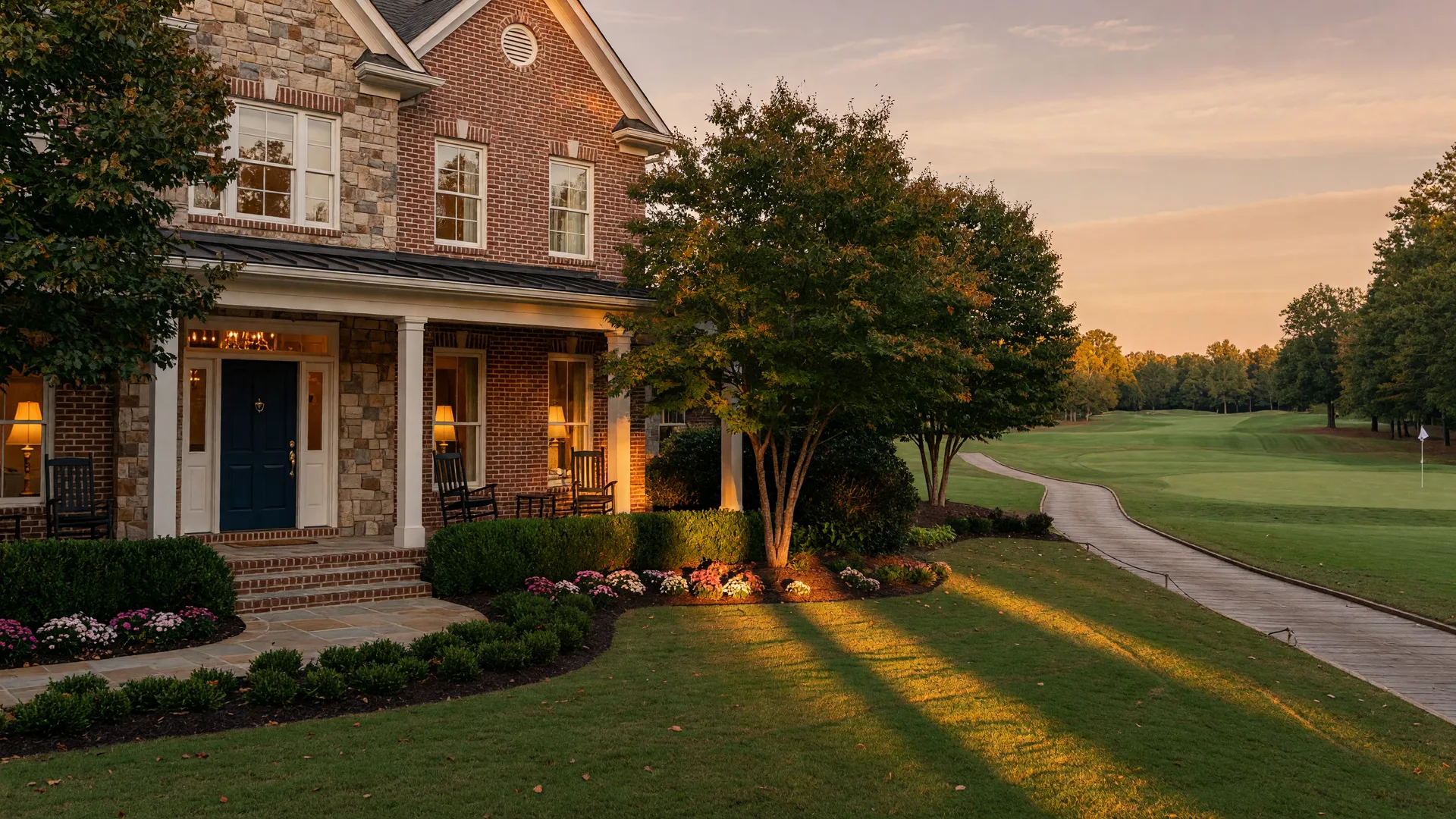
Should I renovate or sell my home? It is the question homeowners are asking more than almost any other in 2026, and the numbers explain why: Americans hold a record $34.5 trillion in home equity, yet moving means trading a mortgage of 3% or 4% for one near 7%. As a luxury specialist with 19 years of experience in Apalachee Farms, I watch this decision play out every week, and the honest answer is that both paths can be right, depending on your section, your rate, and your plans. Here is the data, the upgrades that actually pay off, and a framework you can use to decide.
The context matters. The average 30-year fixed mortgage rate crossed 7% in early October and reached 7.43% on October 1, the highest level in over a decade, while HELOC borrowing has quietly become 2026's default equity tool. For Apalachee Farms homeowners, where roughly 587 homes across five sections sit on the Trophy Club of Apalachee golf course, the renovate-or-sell math is different from the national average, and I will get into section by section below.
Why Homeowners Are Staying Put: The Record Equity Story
The lock-in effect has defined this market: owners who financed at 3% to 4% in the low-rate years refuse to trade that payment for today's rate. In October 2026, with the 30-year fixed near 7.4%, the arithmetic is starker than ever. Moving up means taking on a mortgage that costs hundreds more per month, so a growing share of homeowners have decided to make the house they already own feel like the house they wanted, a trend CNBC highlighted just this week in reporting that high rates are trapping owners in place and reshaping how they spend on their homes.
The equity side of the ledger explains how they can afford it. U.S. homeowners held roughly $34.5 trillion in equity as of mid-2026, about $302,000 per homeowner, and mortgage holders alone sat on a record $18 trillion in the second quarter of 2026, according to ICE Mortgage Monitor data reported by CNBC and AOL. Of that, about $11.7 trillion was tappable across roughly 47.5 million borrowers, meaning homeowners can borrow against it without refinancing their low first mortgage.
For context on what this shift has done to the market, I covered the easing of the lock-in effect for sellers in September. The short version: inventory is rebuilding as some owners finally decide to move, but the owners choosing to stay are pouring equity into upgrades, which keeps the best homes scarce and fresh. Read my full analysis of the fall 2026 seller market here.
total U.S. home equity, roughly $302,000 per homeowner, as of mid-2026
of equity considered tappable across about 47.5 million mortgage borrowers (ICE Mortgage Monitor, Q2 2026)
in total HELOC balances in March 2026, with the average balance up 11.2% to about $52,347 (Experian)
The HELOC Is 2026's Favorite Equity Tool. Here Is Why.
Ask a homeowner five years ago how they would fund a renovation and many said cash-out refinance. In 2026, the answer is usually a home equity line of credit, because a HELOC leaves the cheap first mortgage untouched. Total HELOC balances hit $427.6 billion in March 2026 with the average balance up 11.2% to about $52,347, according to Experian, and HELOC and second-mortgage originations rose nearly 20% from the first quarter of 2026 to the second, per Cotality data.
HELOC rates averaged about 7.3% in 2026 per Bankrate forecasts, still below the 7%-plus buyers pay on a new first mortgage, which is why the tool keeps growing even as rates stay elevated. In Apalachee Farms, I see owners use HELOCs for exactly the projects that matter here: kitchen refreshes in The Terraces and Riverside, golf-front landscaping and outdoor living in Clubview, and full interior modernization in The Oaks.
The warning I give every client: HELOC rates are variable. Borrow for projects that genuinely raise value or income, set a payoff plan, and resist the temptation to treat equity like a checking account. A HELOC is a powerful tool, not free money. If you are also weighing whether new construction or a resale fits your plan, my guide to comparing the two in 2026 covers the incentive math on the new-build side. Read the builder incentive guide here.
The Upgrades That Actually Pay Off in 2026 and Early 2027
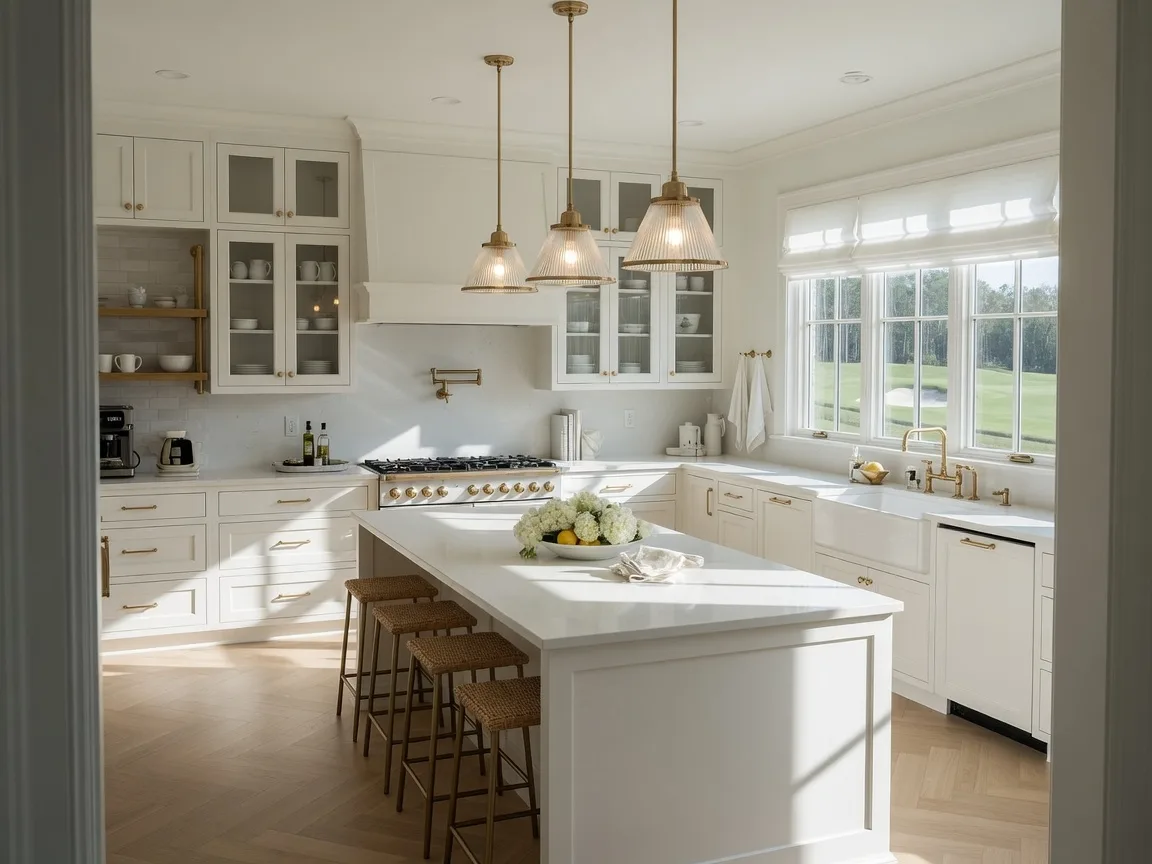
If you are renovating to raise value, the latest Cost vs. Value data from Zonda is blunt: exterior projects dominate. Eight of the top ten projects are exterior replacements, because curb appeal is what buyers see first in listing photos, on the street, and at the front door. The table below uses the most recent national averages from the 2025 report, the edition still used for 2026 and early 2027 planning.
| Project | Avg. Cost | Value Recouped |
|---|---|---|
| Garage Door Replacement The No. 1 project in Zonda's Cost vs. Value report for a second straight year, the easiest curb upgrade a seller can make. | $4,672 | 267.7% |
| Steel Entry Door Replacement A new front door costs little and changes the first impression buyers form before they step inside. | $2,435 | 216.4% |
| Manufactured Stone Veneer A stone accent on the front elevation reads instantly as higher value on brick and stucco homes. | $11,702 | 207.9% |
| Fiber-Cement Siding Replacement For homes with dated or worn siding, this exterior refresh usually pays back more than it costs. | $21,485 | 113.7% |
| Minor Kitchen Remodel (Midrange) The only interior project in the top five: reface cabinets, upgrade counters and fixtures, skip the full gut. | $28,458 | 112.9% |
| Vinyl Siding Replacement A clean, low-maintenance exterior with fresh color moves a listing faster than a dated one. | $17,950 | 96.5% |
| Backup Power Generator A new entry to the top ten, and a genuine selling point in Georgia, where summer storms and ice storms both knock out power. | $13,534 | 95.3% |
| Wood Deck Addition Outdoor living sells in a golf community, and a deck extends the indoor square footage buyers can picture. | $18,263 | 94.9% |
The flip side is just as important. Major upscale kitchen overhauls recoup only about 51% to 60% nationally, and asphalt roof replacement returns about 68%, even though it costs a homeowner thousands. On the other end, a minor midrange kitchen remodel, the top interior project at about 112.9%, is exactly the scope I recommend for most sellers: reface or replace cabinets smartly, upgrade counters and fixtures, and modernize the lighting without tearing the room to studs.
For taste-level guidance that matches what today's buyers expect, my 2026 design trends post is a useful companion. Read what buyers want in finishes and layouts here.
Renovate or Sell: A Decision Framework for Apalachee Farms
Every decision starts with your mortgage rate, your timeline, and the value your section can support. Here is how the two paths compare.
Lean Toward Renovating When
You hold a first mortgage at 4% or lower and your section has room to grow in value. Your layout works for your family and the projects left are finishes, not structure. You plan to stay at least five years, and you can fund the work without touching cash you need for other goals. In a community where you love the amenities, the golf course, and your neighbors, updating in place often beats moving.
Lean Toward Selling When
You need a different layout, a bigger lot, or a different section: a golf-front yard in Clubview, a larger home in The Oaks, or a lower-maintenance floor plan. You have already interviewed builders and remodelers and the quote is far beyond what resale value will support. You are ready for a lifestyle change like 55+ active adult living, or you simply do not want to live through a renovation.
The section-by-section picture matters, because homes here are not one market, they are five markets sharing one golf course. In The Terraces and Riverside, where pricing runs from entry-level to mid-range, a smart exterior refresh and a minor kitchen remodel rotate an updated home quickly against slightly dated competition. Sterling Green's consistent resale benefits from functional upgrades, the mechanicals and storage trade buyers check second. And in Clubview and The Oaks, the premium sections with golf-front positioning and the community's highest price points, refreshed exteriors and designer-level kitchens in course-facing homes command the community's strongest values.
Whatever you decide, the starting point is your actual numbers. If you would like a current list of what the homes in your exact section have recently sold for, head to my market reports, and for a full picture of the community before you choose either path, the community guide covers the lifestyle both options preserve. See the Apalachee Farms market data here.
What to Watch Next
Watch the Federal Reserve's late-October meeting and Freddie Mac's weekly rate survey, because a Fed hike pushes borrowing costs for both mortgages and HELOCs. Also watch how many renovated homes list this winter: if equity-funded upgrades raise the quality bar in your section, non-updated homes will need sharper pricing. The buyers relocating to northeast metro Atlanta this year are comparing every home against an increasingly polished pool, so presentation has never mattered more. Get the full October rate breakdown here.

Lisa's Perspective on the Renovate-or-Sell Question
"I have sold in Apalachee Farms for 19 years, and I lived in the neighborhood for 10 of them, so I have walked this exact decision from both sides of the lock-in. My rule of thumb: renovate for the life you live now, and let the bonus be value at resale. The owners who regret it are the ones who renovate to 'the top of the market' and then move anyway, or who stay in a home that no longer fits and never update it at all. A measured plan, one good exterior refresh, one smart interior upgrade, and an honest comparison against your section's recent sales, that is how you win either way. I am happy to pull those numbers with you."
Frequently Asked Questions About Renovating vs. Selling in 2026
Should I renovate or sell my home in 2026?
Start with the mortgage math. If you are locked into a low first-mortgage rate, a move means replacing it with a mortgage near 7%, so renovating often protects your monthly payment while raising your home's value. Sell instead when the home no longer fits functionally, when the renovation budget would exceed what the market will pay back in your section, or when a different section, lot, or community serves your next life stage better. The right answer is the one that fits your timeline and your finances, not just the one that sounds easier.
How much home equity do homeowners have right now?
A record amount. U.S. homeowners held roughly $34.5 trillion in home equity as of mid-2026, about $302,000 per homeowner, and mortgage holders sat on a record $18 trillion in equity in the second quarter, of which about $11.7 trillion was tappable across roughly 47.5 million borrowers, according to ICE Mortgage Monitor data reported by CNBC and AOL. In Apalachee Farms, where homes range from about $500,000 to $1.3 million, many owners who bought years ago have six-figure equity positions that can fund an update or a down payment.
Are HELOCs popular again, and are they a good idea at today's rates?
Yes on both counts, with caution. HELOC balances reached $427.6 billion in March 2026 and the average balance jumped 11.2% to about $52,347, per Experian, while HELOC and second-mortgage originations rose nearly 20% from the first quarter to the second, per Cotality. Homeowners prefer the HELOC because it leaves their low first mortgage untouched, and rates averaged about 7.3% in 2026 per Bankrate, still far below a cash-out refinance at 7% plus on the whole balance. The caution: HELOC rates are variable, so borrow for projects with real payoff and a payoff plan, not for lifestyle spending.
Which home improvements add the most value in a golf community?
Curb appeal wins. In Zonda's latest Cost vs. Value report, exterior projects dominate: garage door replacement recoups about 267.7%, a steel entry door about 216.4%, and manufactured stone veneer about 207.9%, while a minor midrange kitchen remodel is the top interior project at about 112.9%. Major upscale kitchen overhauls and roof replacements recoup far less, often 51% to 68%. For an Apalachee Farms listing, a refreshed front elevation and a smart, modernized kitchen are the two moves that show up in both photos and offers.
If I stay put and renovate, what should I not do?
Do not over-improve for your section. Buyers compare your home against recent sales in The Terraces, Riverside, Sterling Green, Clubview, and The Oaks, and a full luxury remodel in an entry-priced section rarely pays for itself. Do not tear out a sound kitchen for trends that will date. And do not borrow on a variable HELOC without a paydown plan, especially with rates volatile. The most successful strategy in 2026 is measured: targeted exterior refresh, one intelligent interior upgrade, and a sharp eye on what homes actually sell for in your section.
Not Sure Whether to Renovate or List?
Lisa Harris combines nearly 20 years of Apalachee Farms experience with section-level sales data, trusted contractor and lender referrals, and HELOC-literate advice. Whether you want an opinion on which upgrades will pay back in your section or a current picture of what your home would sell for, she can give you a straight answer.
Lisa Harris, MBA, CLHMS GUILD
Lisa Harris is a CLHMS GUILD Certified Luxury Home Marketing Specialist serving Apalachee Farms, Dacula, and Northeast Metro Atlanta's premier golf course and country club communities. With nearly 20 years of experience, an engineering degree, and an MBA, she provides buyers, sellers, and homeowners with data-driven insight, section-level market knowledge, and strategic negotiation expertise. She lived in Apalachee Farms for 10 years and served as co-chair of its Social Committee. Her work has been featured in RISMedia, Realtor.com, Inc. magazine, and Atlanta News First.
Information believed to be accurate but not guaranteed. Home equity and HELOC figures sourced from ICE Mortgage Monitor and Cotality data reported by CNBC and AOL, and Experian's 2026 HELOC research; renovation ROI figures from Zonda's most recent Cost vs. Value report (national averages, 2026 and early 2027 sales planning); HELOC rate context from Bankrate's 2026 forecast. Mortgage rate context from the October 2026 market commentary. Market data for Gwinnett County and Apalachee Farms sourced from GAMLS and FMLS. Apalachee Farms findings grouped regardless of MLS spelling variations. Contact Lisa Harris for the most current rates, equity products, and market information.